Configuration prototype; numerical execution is not connected.
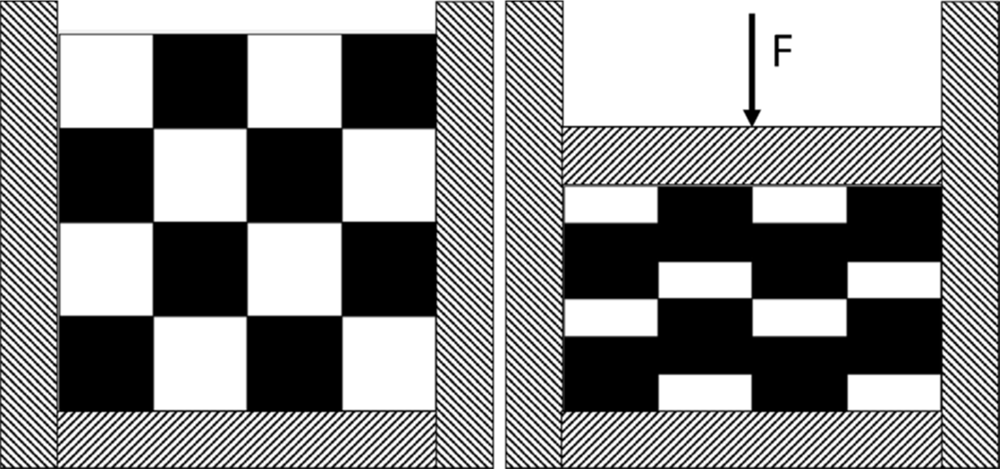
Tooling-driven densification of powder in a die using punch loading, including unloading and ejection behaviour.
DTVL supports simulation of powder compaction for pharmaceutical powders, ceramic powders, metal powders / powder metallurgy and other compactable particulate materials exhibiting pressure-driven densification, where the constitutive model and parameters are suitable. The workflow can represent evolving nonlinear elastic behaviour, including stiffness and Poisson’s ratio dependence on relative density and pressure, together with configurable tooling, geometry and friction conditions.
Mechanical analysis can use an elastic-only response or supported plasticity such as Drucker–Prager Cap. Optional thermal coupling can investigate temperature evolution and thermo-mechanical behaviour during compaction, where supported by the selected workflow and material model.
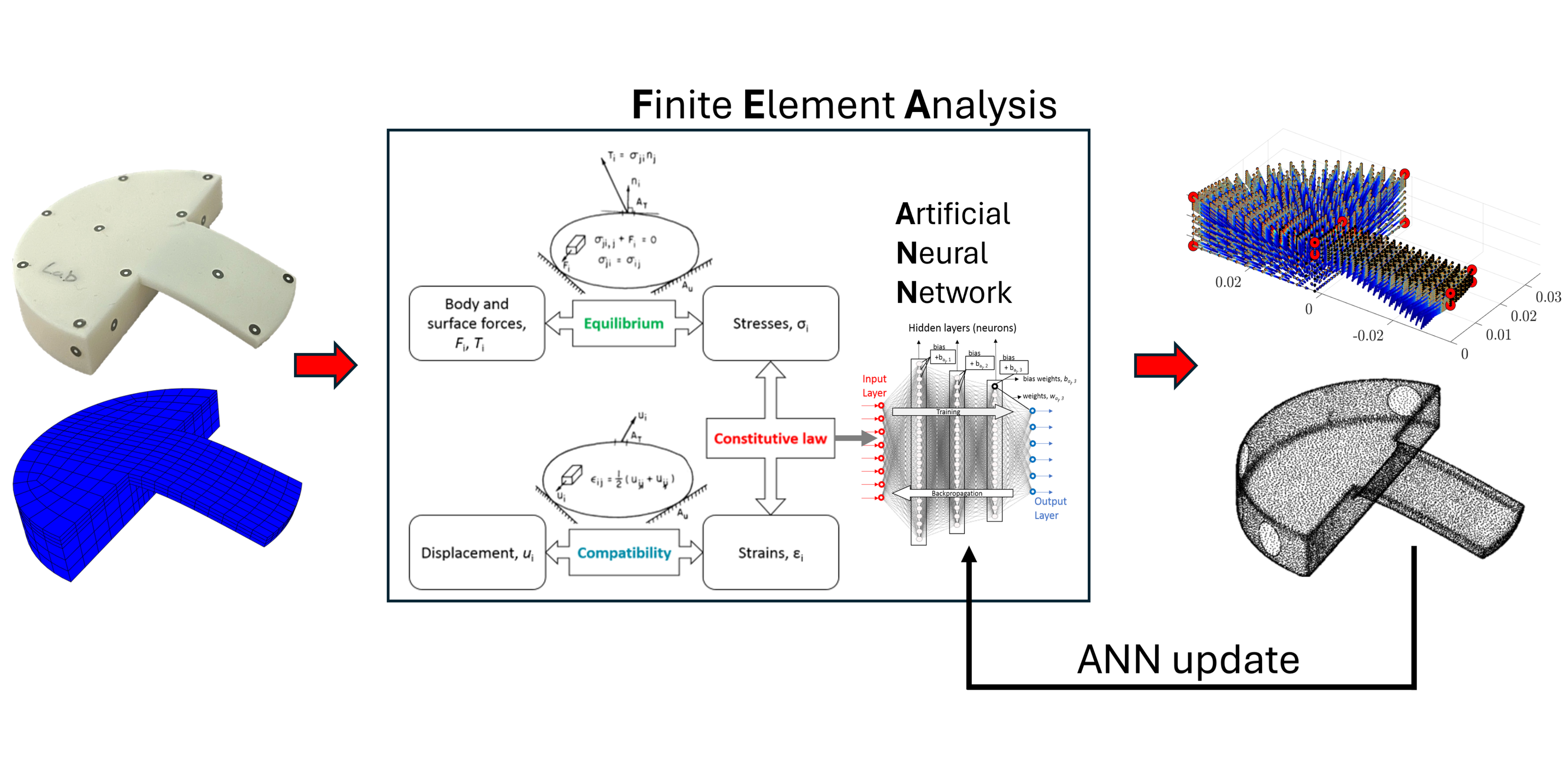
The modelling approach builds on doctoral constitutive-model research at the University of Leicester under the supervision of Prof. Csaba Sinka.
Configurable compact geometry and tooling
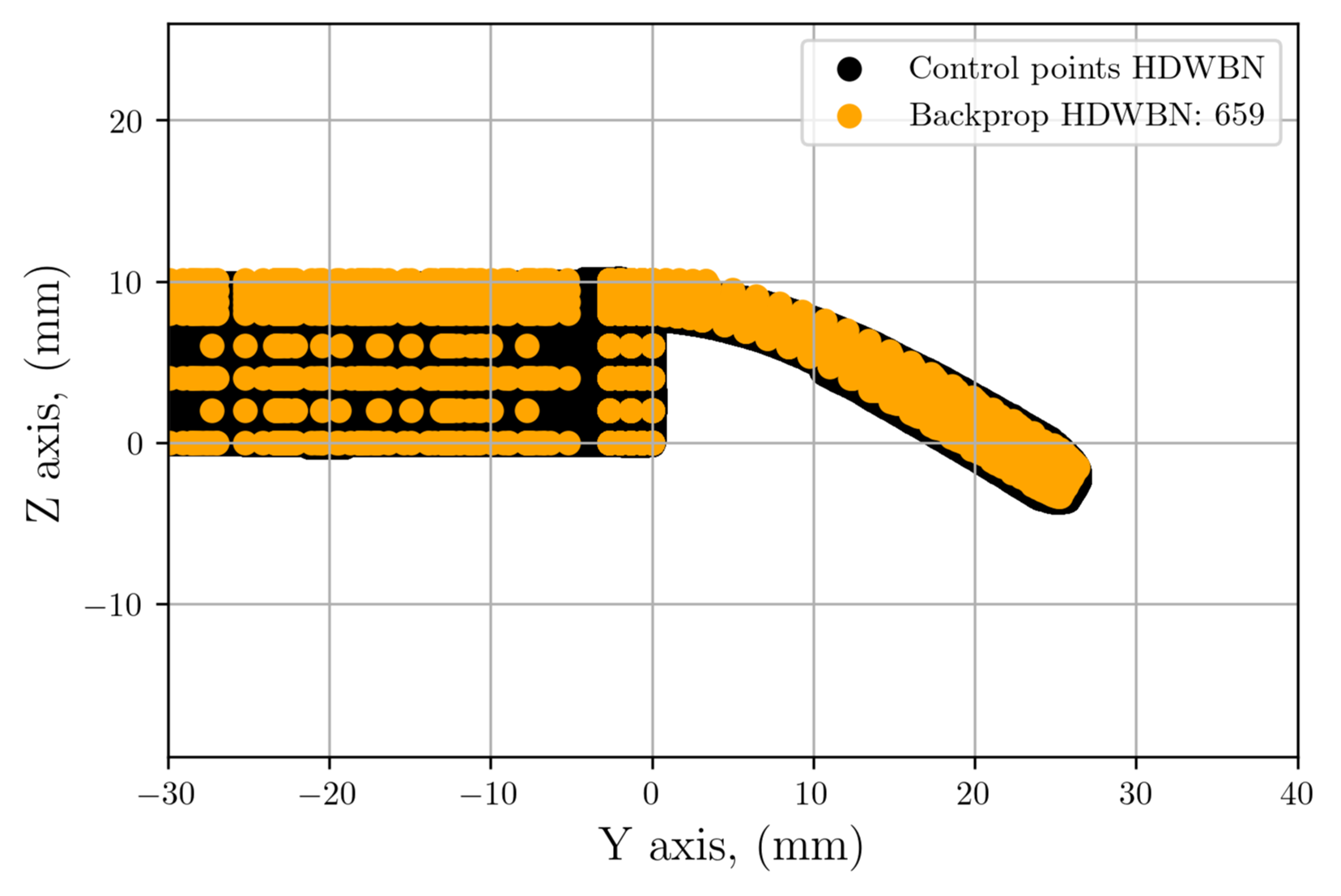
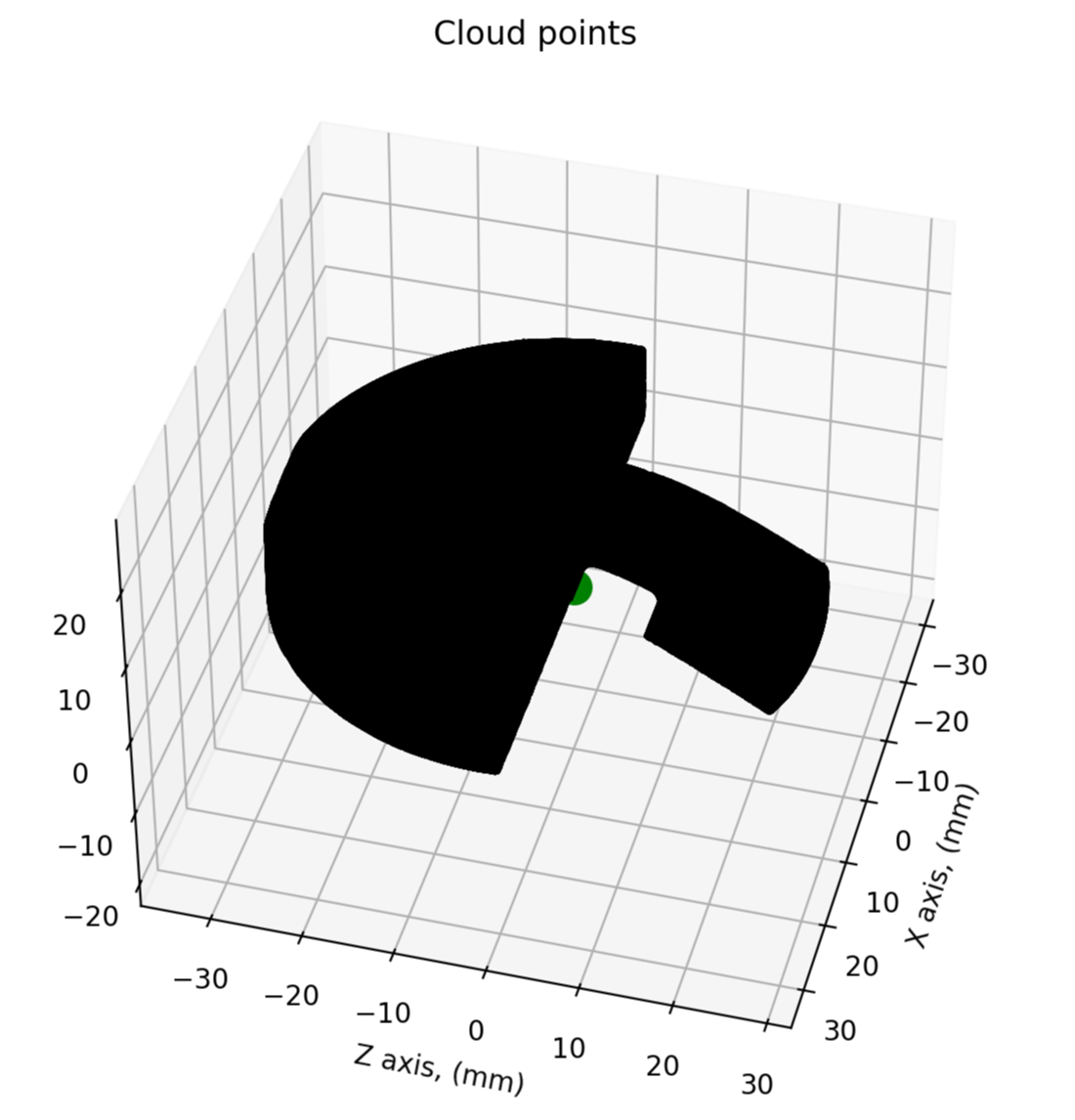
Pharmaceutical tablets are one application family: supported setups can include circular and oval tablets with prescribed dimensions, flat or curved/ball-type punch faces, and optional score or central division features. The same workflow can represent typical ceramic and powder-metallurgy components produced by die pressing, subject to suitable models, parameters and tooling. Guided inputs define a family of compact designs rather than a single fixed component.
More complex components may require multi-punch, core-rod or other specialised tooling configurations.
Tablet dimensions, shape, punch profile and score features can be defined through the DTVL workflow.
Representative die-compacted geometries
Representative die-compacted geometries span pharmaceutical, ceramic and powder-metallurgy applications.
Configurable contact and friction
Tool–material interaction can be represented using different levels of friction modelling, from a constant friction coefficient to state-dependent formulations. Where supported by appropriate calibration data, friction may vary with contact pressure, relative density, or both.
A static-to-kinetic transition can also be represented, allowing a higher friction coefficient while the interface is sticking or before relative sliding begins, followed by a lower sliding-friction response that can subsequently evolve with contact pressure.
p represents contact pressure; RD represents relative density.
State-dependent friction laws require suitable experimental calibration and are not assumed to be universal across materials and tooling conditions.